Blog
Building Across Borders : Every Market Reads AI Differently
Reflections from the World Leaders Forum on how local policies and expectations shape AI products, and what that means for marketing across borders.

Our co-founder and CEO Neha Mittal spoke at The Economic Times World Leaders Forum in New Delhi, on a panel called "The Next AI Revolution: From Generative Models to Intelligent Systems," and joined a closed-group gathering with Prime Minister Narendra Modi, Boris Johnson, and Sergio Gor, the US Ambassador to India.
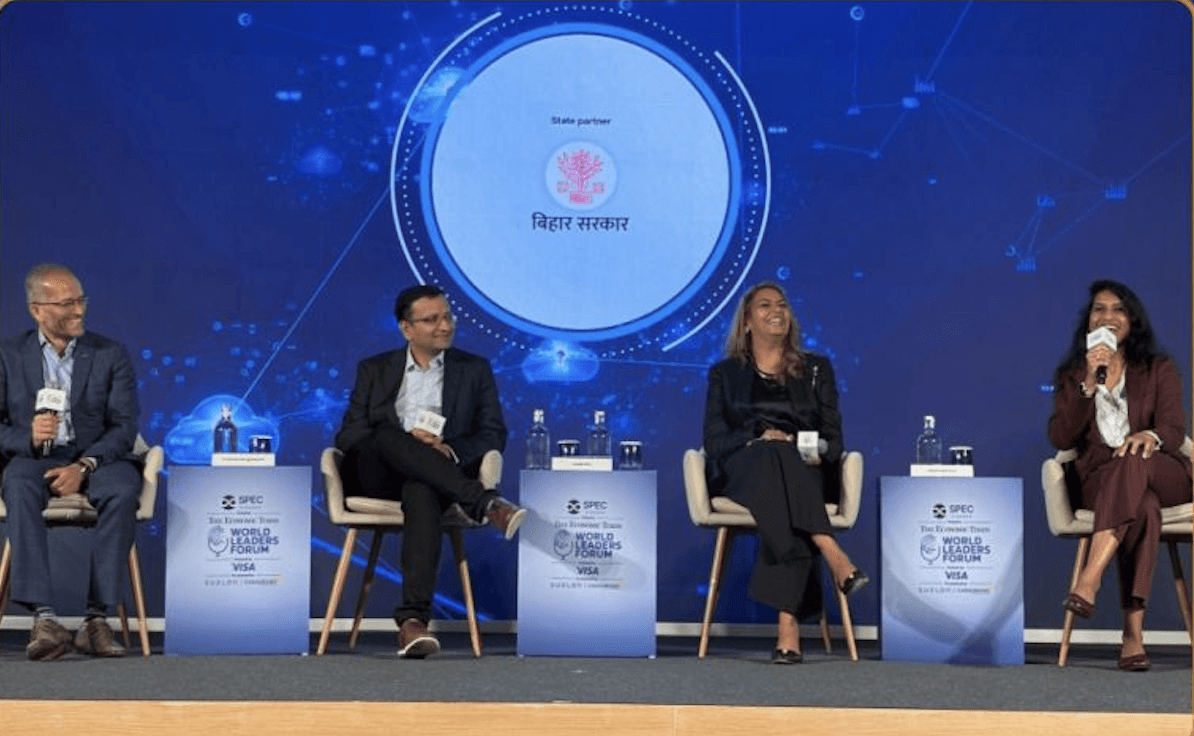
How do countries help one another adopt AI faster, and how differently is each of them seeing it?
Those questions came up during the panel, and they aren't the ones we're used to in San Francisco. The conversation covered what happens to technology adoption in the middle of wars and sanctions, and how companies build while the rules around AI are still taking shape.
The EU's AI Act sets requirements according to risk. The US AI Action Plan emphasizes innovation and faster adoption. In Southeast Asia, ASEAN's guidance focuses on responsible deployment across different jurisdictions. Each gives a company a different starting point, though policy alone won't tell it what buyers want.
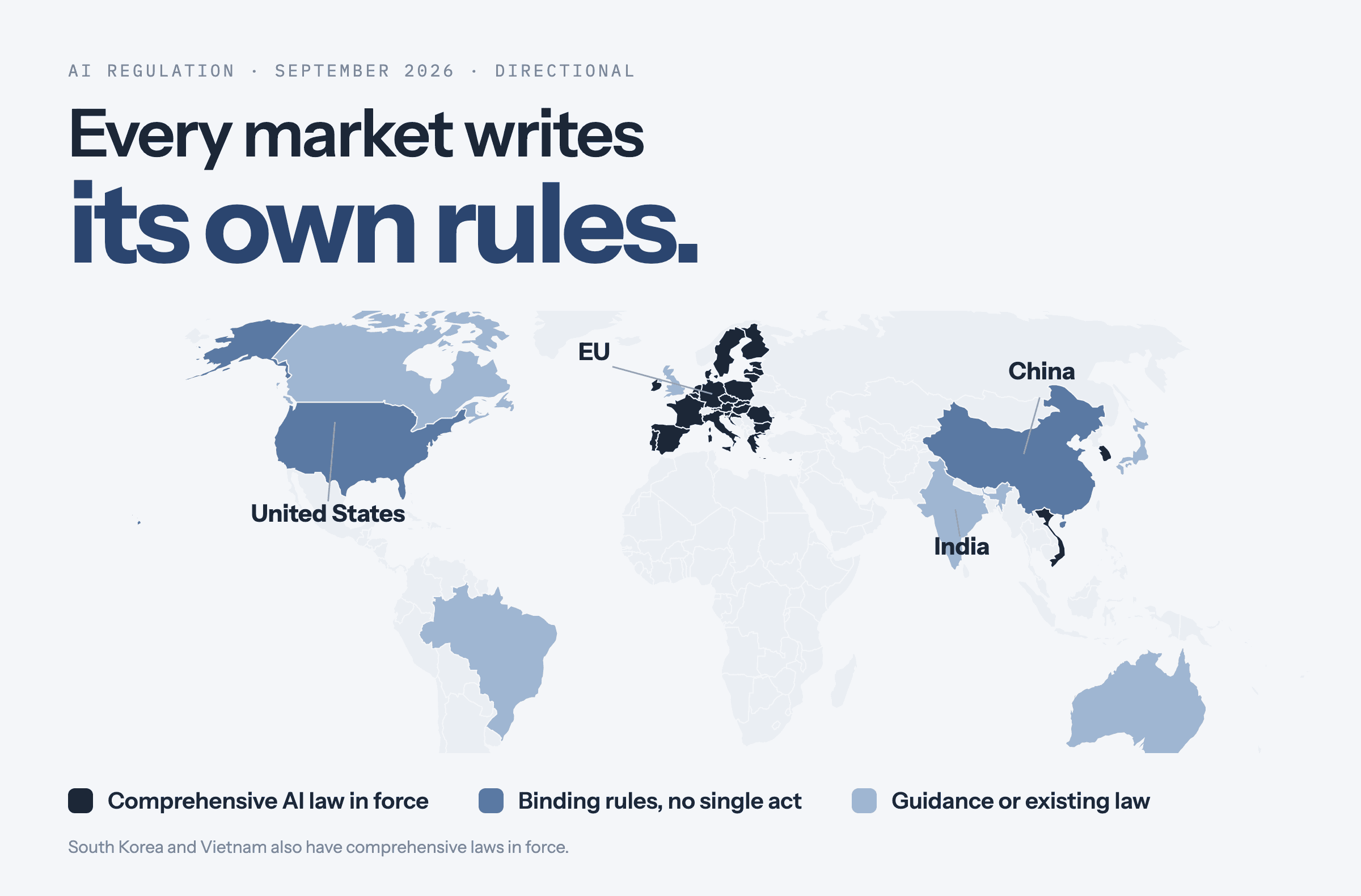
Hearing policymakers talk through those concerns made them harder to treat as something we'd deal with later. Different rules and best practices can change how a product handles data or where a person has to approve an AI decision. The marketing has to reflect those choices. If the product requires human approval, a promise of fully hands-off automation sells something that buyer won't get.
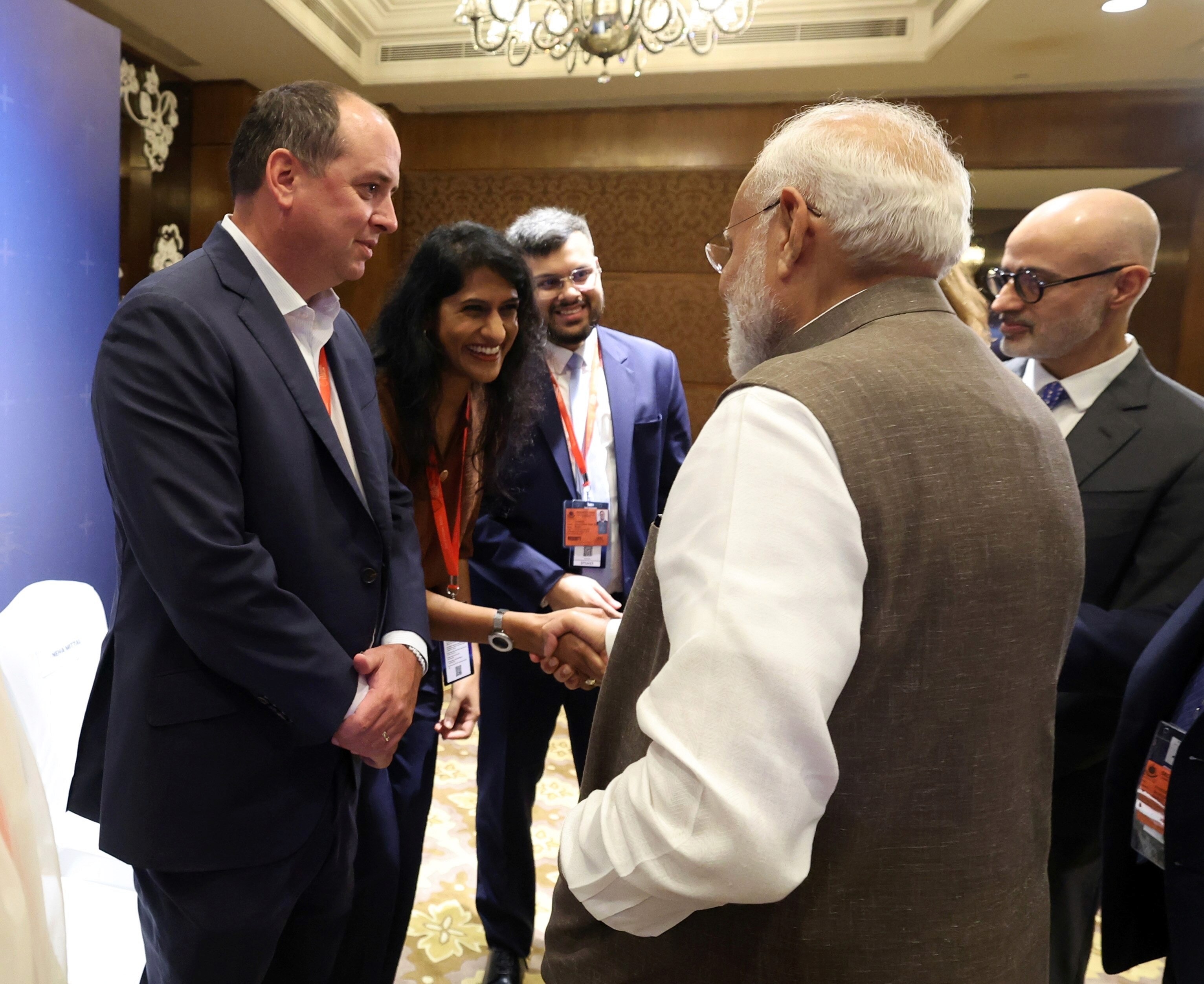
The panel's discussion of work centered on up-skilling: getting teams fluent with AI tools. Neha argued for re-skilling, rethinking the workflow itself, starting with the people setting direction. As she put it from the stage, "that's a very big mindset switch that's happening pretty much at the top level and how all the conversations trickle down in terms of hiring, and how big the team should be."
At JustAI, that lands in the work we do every day: helping teams figure out what to say, who to say it to, and whether it worked.
When teams expand into new markets, the challenge is not simply translating content into different languages. Marketing teams must also rethink product positioning, how the product will be adopted and distributed, and what the go-to-market strategy should look like in each market.
It can be a surprising amount of work to enter a new market: the competitor everyone knows, the workflow the product replaces, the evidence a buyer is expected to trust. In a new market, any of those may need explaining from scratch. The local team needs room to adapt the brief before it starts producing the campaign.
A new region means more campaigns to write, versions to review, and results to follow. That work can quickly outgrow the team doing it. Rethinking the workflow gives marketers a way to test which benefit gets attention and what proof earns trust in each market. They still make the creative choices. Local results tell them which choices are worth building on.
For example, a team launching an AI writing tool could test two emails in the same market. One walks through the review and approval steps; the other shows a sample email the tool produces. Each makes a different case for trying it. A local reviewer checks that both are accurate and natural, then the team compares the response before committing the rest of the campaign to either approach.
The old habit was to test in English and ship translations everywhere else. But that exports a decision before anyone has checked it locally. Even a shared language doesn't settle it: copy written for Mexico may need different phrasing in Spain, and a US headline may need a different tone for a UK audience.
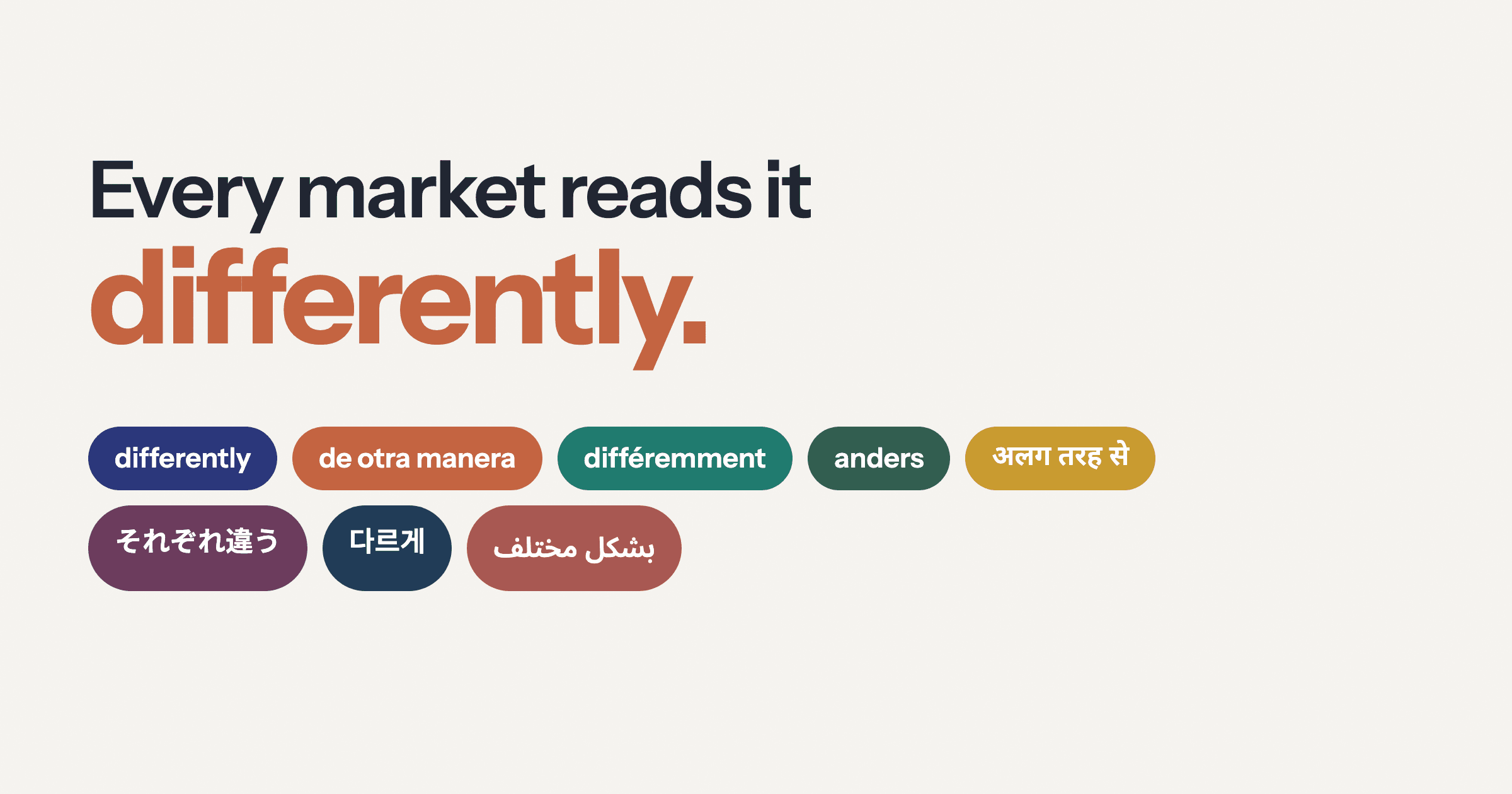
One word, eight languages.
The words can be correct while the message still feels off. That's why localization has to cover what a message leads with as well as how it's phrased. A buyer worried about handing decisions to AI may need to see the controls before the promise of speed means much. A team trying AI for the first time may need to see how it fits into the work they already do. Both could be reading the same language.
The other half is measurement. A global average can make a campaign look healthy while one market does most of the work. Reading results market by market shows where people respond and where they drop off, giving the team something concrete to change next.
The teams that expand well are the ones testing inside each market rather than exporting last quarter's winner. That starts with the product's positioning and runs through to the subject line.
Now is the time to stop building and marketing for the US market alone.
We're spending more time on markets outside the US than we ever have. We’ll be taking a closer look at localization in an upcoming case study, with real examples of how messages change across markets and what goes into those decisions. Stay tuned.